Source moisturizing grape seed eye patches for hydration, anti-aging, and fatigue relief
Find 30 listings for moisturizing grape seed eye patches from verified suppliers. Compare features like hydrogel and collagen materials, customization options, and pricing to find the best fit for your business needs.
Key considerations
Products List




Comprehensive Sourcing Guide
Strategic Sourcing Guide for Moisturizing Grape Seed Eye Patches
Understanding Product Specifications and Material Composition
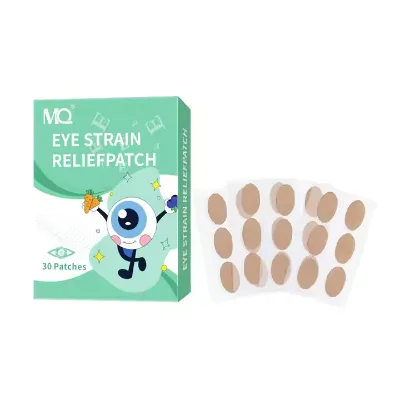
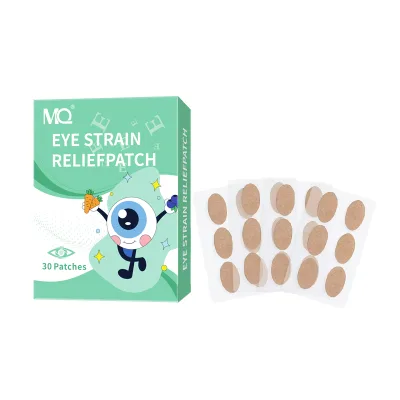
When sourcing moisturizing grape seed eye patches, buyers must first distinguish between the specific material formulations that define product performance. The market presents a variety of base materials, including hydrogel, hydrocolloid, and collagen, each offering distinct benefits for the delicate eye area. Hydrogel-based patches are frequently observed for their ability to provide a cooling sensation and superior hydration, making them ideal for relieving eye swelling and fatigue. In contrast, hydrocolloid variants are often engineered for concealing blemishes and providing a more structured application, while collagen-based options focus heavily on anti-aging and deep moisturizing properties.
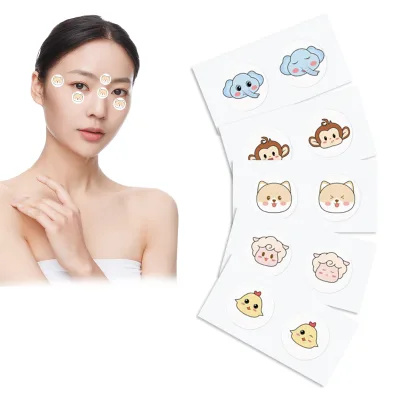
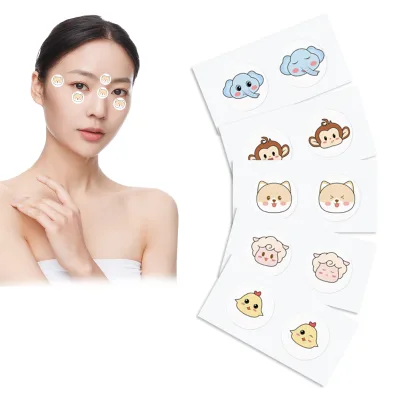
The core ingredient profile for "grape seed" variants typically involves natural product extraction methods. Buyers should verify that the herbal components are derived through processes that maintain the integrity of the active compounds. The product form is generally observed as cotton or hydrogel sheets, designed to fit the contour of the under-eye area. A critical specification to note is the packaging standard, which often appears as individual sachets or boxes containing two pieces per unit. This ensures hygiene and prevents oxidation of the active ingredients before use.
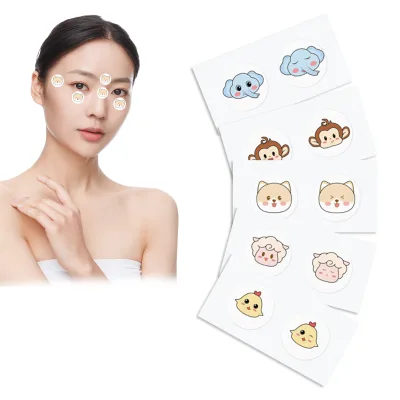
Furthermore, the physical attributes of the patches, such as shape and color, are often customizable to meet brand requirements. The application method is straightforward, requiring the user to stick the patches around the eyes. However, the efficacy of the moisturizing and anti-wrinkle claims depends heavily on the concentration of the herbal extract and the quality of the hydrogel or collagen matrix. Buyers should request detailed ingredient lists to confirm the presence of grape seed extract and understand the ratio of active ingredients to carrier materials.
Compliance, Certification, and Regulatory Standards
Navigating the regulatory landscape is essential for importing cosmetic and personal care products, particularly those claiming health benefits like eye health solutions or anti-aging properties. The supply chain for these products often involves manufacturers holding specific certifications that validate their quality management systems. Common certifications observed in this sector include CE, ISO, and FDA compliance. These standards indicate that the manufacturing facility adheres to international quality and safety protocols.
For products intended for external use, compliance with local cosmetic regulations is paramount. Buyers must verify that the supplier has the necessary documentation to prove that their products meet the safety standards of the destination market. The presence of a "No Side Effect" claim in product descriptions suggests a high safety profile, but this must be substantiated by third-party testing results rather than manufacturer assertions alone.
In addition to general certifications, specific product standards such as "2PCS/Sachet" or "customized" packaging standards must be clearly defined in the purchase agreement. These standards ensure that the final product delivered matches the buyer's expectations regarding quantity and presentation. It is also crucial to confirm the origin of the raw materials, as some regions, such as Anhui or Hubei in China, are known for specific manufacturing capabilities. Buyers should ensure that the origin country aligns with their import requirements and that the supplier can provide proof of origin documentation.
Cost Drivers and Pricing Dynamics
The pricing structure for moisturizing grape seed eye patches is influenced by several key variables, including material composition, customization levels, and order volume. The observed price range in the market spans from $0.03 to $5.76 per unit, reflecting the diversity in product quality and feature sets. Lower-priced items typically correspond to standard hydrogel or cotton formulations with minimal customization, while higher-priced units often involve advanced materials like collagen or hydrocolloid, along with complex packaging and branding.
Minimum Order Quantity (MOQ) is another significant factor affecting the unit cost. The market exhibits a wide MOQ range, from as low as 3 units for sample orders to 100,000 units for bulk production. Buyers seeking to minimize initial investment can often negotiate sample orders, which are frequently available for free or at a nominal cost. However, to achieve the most competitive unit pricing, larger volume orders are generally required.
Customization is a primary cost driver. Options such as customized logos, colors, and packaging designs add value but also increase the production cost. Suppliers that offer OEM and ODM services may charge a premium for the engineering and design work involved in creating a unique product. Additionally, the shelf life of the product, typically ranging from 24 months to 3 years, can impact pricing. Longer shelf life often requires higher-quality preservatives and more rigorous testing, which contributes to the overall cost.
Typical Applications and Target Market Segments
Moisturizing grape seed eye patches serve a broad range of applications, primarily targeting the relief of eye fatigue, swelling, and the reduction of fine lines. The product is designed for external use and is suitable for all age groups, making it a versatile item for the general consumer market. The specific application of these patches includes relieving eye swelling and fatigue, which is a common concern for individuals who spend long hours in front of screens or those suffering from lack of sleep.
Beyond immediate relief, these patches are marketed for their long-term skincare benefits, such as anti-aging, whitening, and moisturizing. The combination of herbal extracts and hydrogel or collagen bases allows the product to address multiple skin concerns simultaneously. The target audience includes individuals with combination skin types who require gentle yet effective hydration. The "Unisex" classification indicates that the product is suitable for both male and female consumers, expanding the potential market reach.
In a B2B context, these patches are often utilized in home care routines, spas, and wellness centers. The "Home" application suggests that the product is designed for self-administration, requiring no professional assistance. This makes it an ideal candidate for retail distribution in pharmacies, beauty supply stores, and online marketplaces. The ability to customize the product for specific brands allows suppliers to cater to niche markets, such as luxury skincare lines or budget-friendly mass-market products.
Supplier Evaluation and Sourcing Strategy
Selecting the right supplier requires a thorough evaluation of their capabilities, particularly regarding customization and production capacity. The supply chain for these products often involves manufacturers with a production capacity of up to 5,000 units per day, though this can vary based on the specific facility and order complexity. Buyers should prioritize suppliers who offer flexible customization options, including logo printing, color selection, and packaging design.
When evaluating potential partners, it is essential to verify their experience with the specific materials used in the product, such as hydrogel, hydrocolloid, or collagen. Suppliers with a strong track record in natural product extraction and pharmaceutical technology are likely to produce higher-quality ingredients. Additionally, the availability of free samples is a critical indicator of a supplier's confidence in their product quality. Buyers should request samples to test the texture, adhesion, and efficacy of the patches before committing to a large order.
The supplier's location is another factor to consider. Manufacturers in regions like Anhui and Hubei in China have established expertise in producing cosmetic patches. Buyers should assess the logistical advantages of sourcing from these locations, including lead times and shipping costs. It is also important to verify the supplier's ability to handle large orders, as the MOQ can range up to 100,000 units. A reliable supplier should be able to scale production to meet fluctuating demand without compromising quality.
Quality Control and Long-Term Procurement Considerations
Maintaining consistent quality is paramount in the procurement of eye patches, as the product is applied directly to a sensitive area of the body. Buyers should implement a robust quality control process that includes pre-shipment inspections and post-arrival testing. Key quality metrics to monitor include the integrity of the packaging, the consistency of the herbal extract concentration, and the shelf life of the product. The observed shelf life of 24 months to 3 years should be validated through stability testing to ensure the product remains effective throughout its intended lifespan.
Long-term procurement strategies should focus on building strong relationships with suppliers who demonstrate reliability and transparency. This includes clear communication regarding production timelines, customization requirements, and any changes in raw material sourcing. Buyers should also consider the environmental impact of their procurement decisions, such as the sustainability of the packaging materials and the ethical sourcing of herbal ingredients.
Finally, buyers should be prepared to adapt to market trends and consumer preferences. The demand for natural and organic ingredients is growing, and suppliers who can provide evidence of sustainable and ethical sourcing will have a competitive advantage. By maintaining a proactive approach to quality control and supplier management, buyers can ensure a steady supply of high-quality moisturizing grape seed eye patches that meet the evolving needs of their customers.
Comparative Analysis of Product Variants
To assist buyers in making informed decisions, the following table compares the key attributes of different eye patch variants based on the observed market data. This comparison highlights the differences in material, application, and certification that influence the final product selection.
| Feature | Hydrogel Eye Patch | Hydrocolloid Eye Patch | Collagen Eye Patch |
|---|---|---|---|
| Primary Material | Hydrogel | Hydrocolloid | Collagen |
| Key Application | Relieve Eye Swelling and Fatigue | Conceal and Eliminate Blemishes | Anti-Aging Moisturizing |
| Function | Moisturizer, Eye Health Solution | Concealment | Anti-Aging, Whitening |
| Typical Certification | CE, ISO | CE, ISO, FDA | CE, ISO, FDA |
| Customization | Logo, Color, Shape | Logo, Color, Shape | Logo, Color, Shape |
| Packaging | Carton, Box | Carton, Box | Carton, Box |
| Shelf Life | 24 Months - 3 Years | 24 Months - 3 Years | 24 Months - 3 Years |
This comparison underscores the importance of aligning product specifications with specific market needs. While hydrogel patches excel in hydration and fatigue relief, collagen patches are better suited for anti-aging concerns. Buyers should carefully evaluate these distinctions to ensure their procurement strategy supports their brand positioning and customer expectations.
FAQs
What materials are used for moisturizing grape seed eye patches?
The patches are available in hydrogel, hydrocolloid, and collagen materials. Hydrogel provides cooling and hydration, while collagen focuses on anti-aging and deep moisturizing properties for the eye area.
Can buyers request customized logos and packaging for these patches?
Yes, customized logos, colors, and packaging are available for these products. Suppliers support OEM and ODM services to meet specific brand requirements and design preferences.
What certifications do manufacturers of these eye patches hold?
Manufacturers typically hold CE, ISO, and FDA certifications. These standards validate that the production facilities adhere to international quality and safety protocols for cosmetic products.
How long is the shelf life of moisturizing grape seed eye patches?
The shelf life ranges from 24 months to 3 years depending on the specific product formulation. This duration ensures the active herbal ingredients remain effective before use.
What is the minimum order quantity for these eye patches?
The minimum order quantity ranges from 3 units for samples to 100,000 units for bulk production. Buyers can negotiate lower initial orders to test product quality before scaling up.
Where are these eye patches manufactured?
These patches are manufactured in China, specifically in regions like Anhui and Hubei. These locations are known for their expertise in producing cosmetic patches and herbal extractions.
Are these eye patches suitable for all skin types?
Yes, the patches are designed for combination skin types and are suitable for all age groups. They are unisex and intended for external use to relieve eye fatigue and swelling.